

The integration of artificial intelligence (AI) and advanced camera technology into pest control has dramatically transformed the industry. These innovations are not only improving efficiency but also offering sustainable solutions that reduce environmental impact. By leveraging smart systems, pest control practices have reached a new level of precision and effectiveness.
The Role of AI in Pest Detection
- Behavioral Analysis: AI algorithms can study pests’ movements, feeding habits, and nesting behaviors, which helps professionals target infestations more effectively.
- Predictive Modeling: Using historical data and environmental conditions, AI can forecast potential outbreaks before they happen.
- Real-Time Monitoring: Smart systems equipped with AI provide continuous monitoring of affected areas, helping to address problems promptly without relying on manual checks.
For example, systems can differentiate between harmful pests and harmless insects using image recognition software powered by machine learning.
How Camera Technology Enhances Pest Control
- Early Detection: Cameras can detect pests as soon as they appear, allowing early intervention.
- Non-Invasive Monitoring: Remote monitoring eliminates the need for intrusive inspections that could disrupt businesses or homes.
- Targeted Action: Footage from cameras helps identify pest hotspots so treatments can be focused on specific areas.
Recent advancements also include thermal imaging cameras that detect heat signatures from pests such as rodents hiding within walls or underground burrows. This makes it easier to locate infestations that would otherwise go unnoticed.
Innovative Applications of Combined Technologies
- Identify species-specific pests through image recognition.
- Trigger automated responses like sending alerts when an infestation risk is detected.
- Adapt treatments in real time based on changes in pest activity patterns.
| Approach | Traditional Methods | AI & Camera Technology |
| Detection Accuracy | Relies on visual/manual checks | High accuracy via automation |
| Monitoring Frequency | Periodic | Continuous |
| Environmental Impact | Chemical-heavy solutions | Eco-friendly alternatives |
Benefits for Businesses and Homeowners
- Cost Savings: Fewer site visits and targeted treatments reduce overall costs.
- Eco-Friendly Solutions: Non-invasive monitoring minimizes chemical usage, promoting sustainability.
- Improved Safety: Automated systems reduce human exposure to hazardous environments during manual inspections.
As these technologies continue to evolve, they are expected to revolutionize how we manage pests at every level—making practices smarter, safer, and more effective than ever before.
How Digital Technologies Are Shaping the Success of Pest Control Company Orlando FL
The pest control industry, traditionally reliant on manual processes and chemical solutions, has undergone a significant transformation with the advent of digital technologies. This shift has introduced innovative solutions that are more effective, eco-friendly, and efficient. Below is an exploration of how digital tools have reshaped pest control practices.
1. Use of IoT (Internet of Things) in Pest Monitoring
One major advancement in the industry is the integration of IoT devices for pest monitoring. These smart devices help identify and track infestations in real time.
- Smart Traps: Equipped with sensors, smart traps can detect pests’ presence and send alerts to pest control professionals for timely intervention.
- Data-Driven Insights: IoT devices collect data on pest activity, allowing businesses to analyze patterns and predict future infestations.
- Remote Monitoring: Property managers and pest control companies can monitor multiple locations from a central dashboard without needing regular site visits.
2. AI-Powered Pest Identification
Artificial Intelligence (AI) plays a crucial role in accurately identifying pests and offering appropriate treatment options. Using AI-based image recognition systems, companies can quickly differentiate between various pests, reducing human error.
Some key benefits include:
– Faster identification of species such as termites, rodents, or bedbugs. – Recommendations for targeted treatments rather than broad-spectrum chemicals. – Reduction in pesticide overuse due to precise application strategies.
| Pest Type | AI Detection Feature | Suggested Action |
| Termites | Infrared imaging detects colonies | Apply localized treatments |
| Rodents | Motion sensors detect movements | Set up bait stations or traps |
| Mosquitoes | Acoustic sensors identify buzzing patterns | Targeted spraying or fogging |
3. Drones for Large-Scale Surveillance
Drones have emerged as a game-changer in managing outdoor pest populations such as birds or insects affecting crops. They provide tools for aerial surveillance that offer comprehensive information about large areas.
Key applications include: – Mapping high-risk zones by deploying drones fitted with thermal cameras. – Dispensing pesticides precisely over affected areas without wastage. – Monitoring wildlife activity to prevent damage by non-invasive methods.
4. Mobile Applications for User Empowerment
Mobile apps designed specifically for pest control empower both homeowners and professionals to take proactive measures against infestations.
Features typically available include: – DIY pest identification guides. – Booking professional inspections directly through an app interface. – Alerts on seasonal pests based on geographic location.
These mobile platforms simplify communication between customers and service providers while promoting informed decision-making regarding treatment plans.
5. Automation Enhancing Efficiency
- Automated Spraying Systems: These systems ensure chemicals are applied uniformly across target areas while adhering to safety guidelines.
- Robotics: Robots are deployed indoors or outdoors where dangerous or hard-to-reach zones exist (e.g., crawlspaces). They minimize human exposure during inspections or chemical treatments.
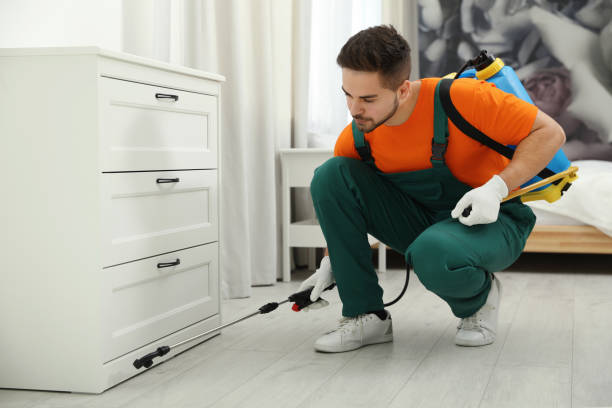
Sustainability Through Digital Technology
Modern technological solutions also support environmentally conscious practices by reducing wasteful pesticide use and employing targeted approaches that protect non-target species.
Examples include: 1. Bait stations with controlled release mechanisms preventing overapplication of toxic substances. 2. Biodegradable materials used alongside advanced trapping systems to reduce environmental impact. 3. Real-time alerts preventing severe infestations before intensive chemical use becomes necessary.
As digital technology continues evolving across industries globally—including pest control—these tools make it possible not only to efficiently manage pests but also contribute positively toward sustainability objectives without compromising effectiveness or safety concerns regarding humans’ health risks posed otherwise by traditional methods normally adopted routinely beforehand long prior this era arrived thus far today accordingly ongoing progress happening consistently expanding potentials further ahead effectively promisingly foreseeable future altogether growing comprehensively impactful overall sector landscape significantly transformed better optimized entirely users’ advantage ultimately forward-looking driven innovation entirely shaping brighter safer smarter collective tomorrow altogether shaping distinctly improved general outcomes continuously underway resiliently adaptive modern needs dynamically aligned purposeful evolution intentional refinement process persistently ongoing increasingly optimized accessible scalable versatile applications innovatively crafted user-centric advancing continually remarkable trajectory industry-wide prospects broader implications much optimism inspiring practitioners operators stakeholders involved alike broad spectrum perspectives indeed
How Digital Technologies Are Revolutionizing Pest Removal in Orlando FL
Digital technologies have significantly transformed the pest control industry, offering smarter, more efficient, and safer solutions to manage pests. From data-driven decision-making to automated monitoring systems, these advancements have made pest control practices more precise and environmentally sustainable. Below are some of the key ways digital technologies are reshaping this industry.
Data-Driven Pest Management
One of the most significant impacts of digital technology is its ability to collect, analyze, and leverage data for effective pest management. Companies now rely on sophisticated tools to monitor pest behavior, predict infestations, and take proactive measures.
- Predictive analytics: By using historical data and environmental patterns, predictive models can forecast potential outbreaks.
- Remote sensors: Devices installed in critical areas can continuously monitor for signs of pests such as rodent movement or termite activity.
- GIS mapping: Geographic Information Systems (GIS) allow professionals to visualize problem areas geographically for targeted interventions.
These capabilities empower pest control companies to make informed decisions quickly while reducing unnecessary interventions.
IoT-Enabled Devices in Pest Management
The Internet of Things (IoT) has brought a new level of connectivity and automation to pest control solutions. IoT-enabled devices now play a vital role in monitoring and controlling infestations with minimal human intervention.
| Device Type | Functionality | Benefits |
| Smart Traps | Detects rodent activity through sensors | Reduces manual inspections |
| Automated Sprayers | Dispenses pesticides only when needed | Minimizes chemical use |
| Environmental Sensors | Monitors temperature, humidity, or food sources | Prevents conducive conditions |
This interconnected approach not only improves operational efficiency but also minimizes environmental impact by ensuring resources are used selectively.
Drones and Imaging Technology
Drone technology has emerged as an innovative tool for large-scale pest management. Equipped with high-resolution cameras and thermal imaging sensors, drones are capable of assessing infestation levels in hard-to-reach areas such as agricultural fields or industrial buildings.
- Aerial inspections: Drones can quickly survey vast areas for signs of damage caused by pests.
- Thermal imaging: This helps detect hidden nests or colonies that may not be visible during a standard inspection.
- Targeted treatment delivery: Some drones are fitted with pesticide dispensing mechanisms to treat specific problem regions directly.
These applications not only save time but also improve accuracy while reducing labor costs.
AI-Powered Identification Systems
Artificial intelligence (AI) has become instrumental in identifying pests accurately and within seconds. AI-based systems can analyze images or sensor data to distinguish between various species—an essential step for tailoring treatment methods effectively.
- Faster identification compared to traditional manual processes
- Reduction in misdiagnoses leading to inappropriate treatments
- Enhanced ability to track trends over time for better prevention strategies
For instance, mobile apps integrated with AI can help field technicians upload photos from infestations and receive immediate feedback on species type and recommended actions.
Sustainable Practices through Digital Innovations
- Precision pesticide application minimizes excess chemical runoff into ecosystems.
- Early detection tools prevent full-blown infestations that would require heavy treatments.
- Real-time alerts enable rapid responses before issues escalate out of control.
By adopting these sustainable measures supported by digital tools, businesses reduce their ecological footprint while maintaining efficacy in their operations.
Final Thoughts
The integration of digital technologies into the pest control industry is revolutionizing how professionals approach infestation challenges. From IoT-enabled smart traps to AI-powered identification systems, these advancements offer a blend of efficiency, precision, and sustainability that was previously unattainable through traditional methods alone. As innovations continue evolving at a rapid pace, they promise an even brighter future for safer and smarter pest management solutions worldwide.
Advanced Technology for Sustainable Pest Control with Exterminator Orlando FL
Technology is revolutionizing industries worldwide, and pest control is no exception. By integrating advanced technology into pest management practices, businesses and individuals can adopt more sustainable, efficient, and environmentally friendly solutions. Let’s explore how these advancements are shaping modern pest control strategies.
Reduced Chemical Usage
One of the key benefits of using advanced technologies in pest control is the significant reduction in chemical usage. Traditional pest management heavily relied on pesticides, which often have harmful impacts on ecosystems. Innovations such as smart sensors and automated detection systems have minimized the need for blanket chemical treatments by enabling targeted interventions.
- Smart monitoring systems: Track real-time pest activities to identify specific problem areas.
- AI-driven analysis: Pinpoints hotspots without resorting to excessive pesticide application.
- Precision spraying: Ensures that chemicals are applied only where necessary, reducing environmental contamination.
This shift toward precision-based solutions not only protects biodiversity but also enhances overall safety for humans and pets.
Real-Time Pest Monitoring
Advanced technology has introduced tools such as IoT (Internet of Things) devices that allow for continuous monitoring and early detection of infestations. These systems gather data on pest behavior, environmental conditions, and movement patterns.
| Technology | Function | Benefit |
| Smart Traps | Capture pests while transmitting data to a cloud | Early detection, reduced manual inspection |
| Infrared Cameras | Identify nocturnal pests in dark environments | Improved accuracy in locating infestations |
| Environmental Sensors | Monitor temperature and humidity changes | Predict conditions favorable for pests |
By automating monitoring processes, businesses save time while maintaining proactive control measures.
Eco-Friendly Alternatives
- Biological controls: Introducing natural predators or pathogens that target specific pests without harming other species.
- Ultrasonic repellents: Devices emitting high-frequency sounds that deter pests like rodents and insects without disturbing humans or animals.
- Chemical-free heat treatments: Effectively eradicate bed bugs or termites by raising temperatures to levels lethal for pests but safe for household materials.
These solutions reduce reliance on toxic chemicals while supporting healthier living environments.
Data-Driven Decision Making
- AI algorithms analyze past infestation patterns to anticipate future outbreaks.
- Geographic Information Systems (GIS) identify high-risk areas prone to recurring issues.
- Customizable dashboards provide actionable insights tailored to specific locations or industries.
This data-driven approach ensures resources are allocated efficiently while minimizing waste.

Cost Savings Over Time
- Reduced labor expenses through automation.
- Lower pesticide costs due to precise applications.
- Minimized property damage with early detection systems preventing extensive infestations.
By embracing innovation, homeowners and businesses alike can achieve greater financial sustainability alongside environmental responsibility.
Advanced technology is redefining how we approach pest management by making it more sustainable and efficient than ever before. Through reduced chemical use, real-time monitoring tools, eco-friendly solutions, data-driven decision-making processes, and cost savings over time, these advancements pave the way for safer living environments while protecting our planet’s delicate ecosystems. Adopting such practices ensures a forward-thinking approach aligned with both industry standards and environmental goals.
Innovations in Modern Pest Control Service Orlando FL Strategies
Pest control has undergone significant transformations over the years, moving beyond traditional methods to adopt cutting-edge technologies. Modern innovations are not only more efficient but also environmentally sustainable, reducing risks to human health and ecosystems. Below, we explore some of the most impactful advancements shaping today’s pest management strategies.
Smart Pest Monitoring Systems
Digital monitoring systems have revolutionized how pest infestations are detected and managed. These systems leverage sensors, cameras, and data analytics to provide real-time insights on pest activity.
- IoT-Enabled Traps: Internet of Things (IoT) technology allows traps to communicate with a central system, sending alerts when pests are captured or when maintenance is required.
- Infrared Cameras: Infrared technology identifies areas of high pest activity by detecting heat signatures in spaces where rodents or insects might thrive.
- Smart Data Analytics: Advanced software analyzes collected data to predict infestation trends and suggest proactive measures.
This approach minimizes human intervention while enhancing precision in tracking and controlling pests.
Biological Pest Control Agents
Innovative biological solutions are gaining traction as eco-friendly alternatives to chemical pesticides. These methods use natural predators or agents to suppress pest populations effectively.
| Biological Agent | Target Pest | Key Advantages |
| Beneficial Nematodes | Soil-dwelling pests | Non-toxic; safe for plants and animals |
| Ladybirds | Aphids | Environmentally friendly |
| Bacillus thuringiensis (Bt) | Caterpillars | Highly specific; reduces pesticide use |
By leveraging these natural controls, environmental impacts are reduced while maintaining agricultural productivity and ecosystem balance.
Autonomous Drones for Precision Application
- Aerial Surveillance: Drones can quickly scan large areas for signs of infestations.
- Targeted Spraying: Equipped with precision nozzles, drones apply treatments directly where needed, minimizing pesticide waste.
- Mapping High-Risk Zones: Machine learning algorithms help drones create detailed maps that highlight potential breeding grounds.
These capabilities make drones particularly useful in agricultural settings where efficient practices can save both time and resources.
Genetic Engineering for Pest Management
Recent advances in genetic engineering offer innovative ways to manage pest populations through techniques like gene editing. One prominent technology is the use of genetically modified organisms (GMOs) to disrupt reproductive cycles in harmful insect species such as mosquitoes.
For instance: – Sterile Insect Technique (SIT): Males are sterilized via genetic modifications before release into the environment. This reduces reproduction rates over time. – Gene Drives: A revolutionary method ensuring genetic traits spread rapidly through a population, potentially eradicating invasive species without harming non-target organisms.
While these approaches hold promise, they require careful ethical considerations and regulatory oversight before widespread implementation.
Artificial Intelligence in Predictive Pest Control
- Anticipate future outbreaks.
- Recommend tailored intervention strategies.
- Optimize resource allocation for maximum impact.
Such predictive systems enable proactive decision-making rather than reactive responses—a critical factor in minimizing long-term damage caused by pests.
Advancements like these demonstrate how modern technological innovations continue to push traditional boundaries in pest control strategies toward greater efficiency and sustainability. From smart monitoring tools to AI-powered prediction models, these tools pave the way for safer practices that benefit both humans and the environment alike.
How Digital Pest Control Is Shaping a Safer and Smarter Tomorrow
As technology continues to evolve, the pest control industry is adopting innovative solutions to address pest-related challenges. Digital pest control is rapidly becoming the cornerstone of modern practices, offering smarter, safer, and more sustainable methods for managing pests across various sectors. This shift not only enhances efficiency but also minimizes environmental impact.
The Role of IoT in Pest Control
- Smart Traps: Equipped with sensors, these traps detect activity and send alerts to technicians for immediate action.
- Environmental Sensors: Devices that monitor humidity, temperature, and other conditions conducive to pest infestations.
- Remote Monitoring Systems: Allows professionals to oversee multiple locations simultaneously without the need for constant on-site visits.
These technologies reduce the reliance on manual inspections while enabling faster resolution of issues.
Data Analytics: Transforming Pest Management
- Identify high-risk areas with recurring issues.
- Analyze behavioral patterns of specific pests.
- Predict infestation cycles based on environmental trends.
For example, rodent activity typically increases during colder months as they seek shelter indoors. Data analytics helps preemptively target such trends with precision-based solutions.
Artificial Intelligence in Pest Detection
- Image Recognition Systems: AI can analyze visuals captured by cameras to identify pests such as rodents or insects in real time.
- Predictive Algorithms: These models analyze data inputs to forecast potential infestations before they become severe.
- Autonomous Drones for Inspections: In large industrial or agricultural areas, drones equipped with AI software perform detailed assessments without requiring human intervention.
By automating detection processes, AI significantly reduces response times while increasing reliability.
| Technology | Application | Benefit |
| Smart Traps | Detects activity & sends alerts | Minimizes manual monitoring efforts |
| Environmental Sensors | Tracks conditions like humidity & temperature | Prevents favorable environments for pests |
| Image Recognition AI | Identifies pests through camera feeds | Improves detection accuracy |
| Predictive Algorithms | Forecasts infestations based on trends | Enables proactive measures |
Promoting Safety and Sustainability
- Electronic traps eliminate the need for toxic chemicals.
- Ultrasonic repellents deter pests using sound waves harmlessly.
- Targeted treatments reduce pesticide usage by focusing only on affected areas.
These advancements align with sustainability goals while delivering effective results.
By leveraging digital tools like IoT devices, AI applications, and data analytics, the pest control industry is advancing toward a future where interventions are smarter, safer, and less invasive than ever before. This transformation not only addresses growing urbanization challenges but also ensures eco-friendly practices tailored to modern needs.
- 8 Signs You Should Call a Pest Control Company Orlando FL for Your Home
- Understanding Orlando Pest Control: Myths and Insights from Experts
- Identifying Bed Bug Infestations with a Pest Control Company in Orlando FL
- How to Choose the Best Pest Control Company Orlando FL for German Cockroach Infestations
- How Orlando Pest Control Experts Handle the 5 Most Common Pests Effectively
- How AI and Camera Technology Are Revolutionizing Orlando Pest Control Practices
- Understanding the Bed Bug Life Cycle with a Pest Control Company Orlando FL
- Why Orlando Pest Control is Essential for Managing Rodent Infestations