

Pests are a common nuisance in homes and businesses, causing damage to property, spreading diseases, and disrupting daily life. While some pests can be controlled with DIY methods, others require the expertise of professional exterminators. Here is an overview of the five most common pests and how professionals deal with them effectively.
Top Ant Solutions from a Pest Control Company in Orlando FL
Ants are often found in kitchens and pantries, attracted by food crumbs or sugary residues. They can quickly multiply, forming large colonies that can be difficult to control.
Professional Approach:
- Inspection: Professionals identify the species of ants to devise a targeted treatment plan.
- Baiting: Ant-specific baits containing slow-acting pesticides are placed near trails to eliminate entire colonies.
- Sealing Entry Points: Exterminators seal cracks and gaps where ants may enter.
- Prevention Tips: Recommendations include keeping food sealed, cleaning up spills promptly, and maintaining a clean environment.
| Ant Species | Common Location | Preferred Treatment Method |
| Carpenter Ants | Walls/Wood Structures | Baiting & Direct Injections |
| Pavement Ants | Driveways/Kitchens | Gel Baits & Sprays |
| Odorous House Ants | Kitchens | Non-repellent Baits |
Effective Termite Pest Removal in Orlando, FL
Termites cause billions of dollars in property damage annually by feeding on wood structures. Their activity often goes unnoticed until significant damage has occurred.
Professional Approach:
- Inspection Tools: Use of moisture meters, thermal imaging cameras, and termite detection dogs.
- Liquid Termiticides: Applied around building foundations to create a protective barrier.
- Bait Stations: Installed underground to attract termites and deliver slow-acting poisons.
- Preventative Maintenance: Regular inspections along with ensuring proper ventilation in crawl spaces are key steps recommended by professionals.
Dealing with Cockroaches?
Cockroaches are resilient pests capable of surviving extreme conditions. They contaminate food sources and spread pathogens such as Salmonella.
Professional Approach:
- Identifying hiding spots like under appliances or inside cabinets.
- Using residual insecticides applied as sprays or gels in high-risk areas.
- Gel baits placed discreetly for continuous control.
- Vacuuming heavily infested areas for immediate reduction.
- Professionals also recommend fixing leaky pipes or eliminating water sources that attract cockroaches.
Rodents are notorious for chewing through walls, wires, and insulation while spreading diseases like Hantavirus or Salmonella.
Professional Approach:
- Identifying droppings or chew marks to locate nesting sites.
- Snap traps or electronic traps offer immediate results for small infestations.
- Rodenticides are used cautiously in large-scale infestations where access is limited.
Preventive Measures Shared by Experts:
- Seal all entry points using steel wool or caulk.
- Store food in airtight containers to deter rodents from entering storage areas.
- Maintain cleanliness by removing debris from yards or garages.
Bed bugs feed on human blood during the night, leaving itchy welts behind. They spread rapidly through luggage, furniture, or clothing.
Professional Approach:
- Visual inspection of mattress seams, furniture crevices, and other hiding spots.
- Use of bed bug-sniffing dogs for advanced inspections when needed.
Treatment Techniques Used by Experts:
- Heat Treatments: Raising room temperature above lethal levels (~120°F) kills all stages of bed bugs from eggs to adults without harmful chemicals.
- Pesticide Sprays: Targeted applications on furniture seams or baseboards ensure eradication where heat treatments may not suffice.
| Treatment Type | Pros | Cons |
| Heat Treatments | Chemical-free; effective | Higher cost; requires prep |
| Chemical Sprays | Affordable; widely available | Potential odor; reapplication required |
By understanding how professional exterminators approach these common pests using specialized tools and strategies tailored to each species’ behavior, homeowners can make informed decisions about pest control options while safeguarding their property effectively against future invasions.
The Ultimate Guide to Identifying and Eliminating Ant Infestations in Your Home
Ant infestations are a common nuisance for homeowners. These persistent pests can invade kitchens, bathrooms, and other areas in search of food, water, and shelter. Below is a detailed guide to help you tackle ant problems effectively.
The first step in addressing an ant problem is determining whether your home has been infested.
- Visible Ant Trails: Lines of ants moving between their nest and a food source.
- Piles of Dirt or Debris: Some species, like carpenter ants, leave behind wood shavings or soil near their nests.
- Food Contamination: Discovering ants within food containers or around spilled liquids or crumbs.
- Nesting Areas: Ants often build nests in walls, under appliances, or outdoors near the foundation.
Identifying the type of ant invading your home is also crucial as different species require different treatment methods.
Steps to Eliminate Ant Infestations
- Trace ant trails back to the nest.
- Wipe down surfaces regularly to remove crumbs and spills.
- Store food in airtight containers.
- Empty garbage bins frequently.
- Apply Targeted Treatments
| Treatment Type | Description |
| Baits | Use bait stations containing slow-acting poison that worker ants carry back to their colony. |
| Sprays | Apply insecticidal sprays directly on visible trails or nests for immediate results. |
| Dusts | Use insecticidal dust for hard-to-reach areas such as wall voids or under appliances. |
- Use caulk or weatherstripping to close gaps around windows, doors, and pipes.
- Call Professionals if Needed
For severe infestations or when dealing with destructive species like carpenter ants, professional pest control services may be necessary.
Preventing Future Infestations
- Conduct regular inspections around your home’s exterior for nests.
- Maintain cleanliness by sweeping floors and wiping countertops daily.
- Ensure all window screens are intact and repair any tears.
- Trim vegetation away from your home’s exterior to minimize access points.
Additionally, educate family members about proper food storage practices and encourage everyone to contribute toward keeping your living spaces tidy.
Proper identification combined with targeted treatments and preventive strategies can help you maintain an ant-free home environment year-round. Regular vigilance will ensure these pests don’t return unexpectedly while protecting your property from further invasions by these unwelcome guests.
Protecting Your Property from Termite Damage: Prevention and Extermination Techniques
Termites are among the most destructive pests, causing billions of dollars in property damage annually. Understanding how to prevent termites from invading your property, as well as effective extermination methods, is critical to avoiding costly repairs.
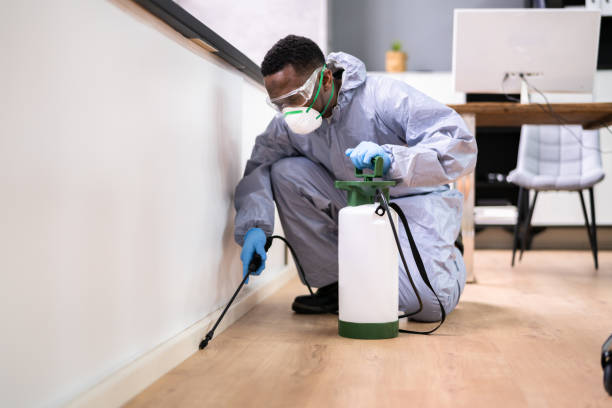
Signs of a Termite Infestation
Early detection is key to minimizing termite damage.
- Mud tubes: Subterranean termites create mud tubes to travel between their colony and food sources.
- Discarded wings: During swarming season, reproductive termites shed their wings near windowsills or doors.
- Frass (termite droppings): Drywood termites leave behind small pellets resembling sawdust near infested areas.
- Blistered or warped wood: Termites often cause wooden structures to look bubbled or damaged.
If you notice any of these warning signs, it’s essential to act swiftly before the infestation worsens.
Preventing Termite Infestations
- Fix leaky pipes, faucets, and gutters.
- Use a dehumidifier in crawl spaces and basements.
- Use concrete foundations for outdoor wooden structures like decks or fences.
- Install metal barriers or treated wood where possible.
- Fill cracks in exterior walls and foundations using caulk or cement.
- Install weatherstripping around doors and windows.
- Trim trees, shrubs, and bushes so they don’t touch the house.
- Avoid using mulch directly against your home’s foundation; opt for gravel instead.
- Regular Inspections
Schedule routine professional inspections at least once a year to identify potential termite activity early on.
Effective Termite Extermination Techniques
| Technique | Description | Best Used For |
| Chemical Treatments | Termiticides are applied to soil surrounding your home to create a barrier against termites. | Subterranean termite infestations |
| Baiting Systems | Bait stations containing slow-acting insecticides are placed around the perimeter of a home. | Long-term control of subterranean termites |
| Fumigation | A gas fumigant is used to eliminate drywood termites within an enclosed structure. | Severe drywood termite infestations |
| Heat Treatment | High temperatures are used inside homes or affected areas to kill drywood termites. | Localized drywood infestations |
| Wood Treatment | Borate-based products are applied directly onto wooden surfaces during construction or repair. | Preventative treatment for new builds |
Why Professional Expertise Matters
While some DIY options exist for managing minor infestations, professional pest control services provide comprehensive solutions that ensure long-term protection against termites. Licensed exterminators have access to advanced tools such as infrared cameras and moisture meters, which enable them to assess hidden damages accurately.
By adhering to prevention techniques and seeking timely intervention when needed, you can safeguard your property from costly termite damage while maintaining its structural integrity over time.
Proven Strategies for Getting Rid of Cockroaches and Keeping Them Out Permanently
Cockroaches are among the most persistent pests, often invading homes, restaurants, and businesses. Their resilience and ability to adapt make them particularly challenging to eliminate. However, with the right strategies, you can successfully get rid of cockroaches and prevent them from coming back. Below is a comprehensive guide that outlines effective methods for eradicating these pests while maintaining a cockroach-free environment.
Identifying Cockroach Activity
- Droppings:Small droppings resembling coffee grounds or black pepper may be found in corners or along baseboards.
- Egg casings:Empty egg sacs (oothecae) left behind in hidden areas indicate breeding activity.
- Smell:A musty odor often accompanies larger infestations.
- Shed skins:As cockroaches grow, they shed their exoskeletons which may be found near nesting areas.
- Live sightings:Spotting live roaches during the day typically signals a severe infestation.
Proven Methods for Eradicating Cockroaches
- Eliminate food sources by cleaning up crumbs, spills, and grease promptly.
- Store food in airtight containers to prevent access.
- Empty trash cans regularly and use sealed bins.
- Fix water leaks as cockroaches thrive in moist environments.
- Use insecticidal sprays specifically designed for cockroaches to target visible populations directly.
- Apply gel baits in cracks, crevices, under sinks, and behind appliances where roaches hide.
- Consider desiccant dusts like diatomaceous earth or boric acid powder to dry out and kill roaches over time.
- Sticky traps are effective for monitoring activity and catching some individuals.
- Place traps near areas such as under kitchen cabinets or along wall junctions.
- Professional Extermination
For severe infestations, hire a licensed pest control professional who can:- Conduct thorough inspections to locate hidden nests.
- Apply targeted treatments using advanced pesticides not available for consumer use.
- Offer expert advice on preventing re-infestation.
Long-Term Prevention Techniques
| Prevention Technique | Description |
| Seal Entry Points | Caulk cracks around windows, doors, pipes, and vents where roaches may enter. |
| Maintain Cleanliness | Keep all surfaces clean from grease and crumbs; vacuum frequently. |
| Limit Moisture | Repair plumbing leaks; use dehumidifiers if necessary. |
| Perform Regular Inspections | Check dark corners, basements, behind appliances periodically |
Why Act Quickly?
Cockroach infestations not only cause property damage but also pose serious health risks by spreading bacteria such as Salmonella or E. coli through contaminated surfaces or food items. Acting swiftly minimizes potential hazards while making eradication efforts more manageable.
By combining proper sanitation habits with targeted treatments and preventive measures outlined above, you’ll create an environment that is inhospitable to cockroaches—ensuring they stay out permanently.
Rodent Control 101: How to Safeguard Your Home from Mice and Rats
Rodents, particularly mice and rats, are among the most common pests that can invade homes. These unwelcome visitors can damage property, spread diseases, and contaminate food.
Identifying Signs of a Rodent Infestation
Mice and rats are often more active at night, which can make it difficult to spot them.
- Droppings:Small, dark droppings that resemble grains of rice. Rat droppings are larger than those of mice.
- Gnaw Marks:Evidence of chewing on furniture, wires, or food packaging.
- Nesting Material:Shredded paper, fabric scraps, or insulation used by rodents to create nests.
- Tracks or Smudges:Greasy marks and tracks along walls or baseboards where rodents travel frequently.
- Scratching Noises:Sounds coming from walls or ceilings during the nighttime hours.
Steps to Prevent Rodents from Entering Your Home
Prevention is key when it comes to rodent control.
- Inspect your home for gaps around doors, windows, vents, and foundations.
- Use steel wool or caulking to close holes as small as a quarter-inch (mice can squeeze through very tiny openings).
- Store food in airtight containers made of metal or glass.
- Clean up crumbs and spills promptly in kitchens and dining areas.
- Avoid leaving pet food out overnight.
- Declutter storage areas such as basements and attics where rodents may hide.
- Dispose of cardboard boxes or paper piles that could serve as nesting material.
- Trim trees and shrubs near your home to eliminate potential entry points.
- Keep garbage bins tightly sealed and away from your home’s foundation.
Effective Control Measures for Existing Infestations
| Method | Description |
| Traps | Snap traps or glue traps can be strategically placed in areas with rodent activity (e.g., near droppings). |
| Bait Stations | Poison-laced bait stations may be used but require caution if pets or children are present in the home. |
| Ultrasonic Devices | Electronic devices emit high-frequency sounds designed to deter rodents (effectiveness may vary). |
Additionally, it may be necessary to hire a professional pest control service if the infestation is extensive or challenging to manage on your own.
Why You Should Act Quickly
- Health Hazards: Rodents carry diseases such as hantavirus and salmonella through droppings and urine.
- Structural Damage: Chewing on wires increases the likelihood of electrical fires.
- Contaminated Food Supplies: Mice and rats will gnaw into stored food items, making them unsafe for consumption.
By staying vigilant about prevention methods and addressing infestations immediately when they occur, you can successfully safeguard your home from mice and rats while ensuring the health and safety of those living within it.
Comprehensive Solutions for Bed Bug Infestations: Detection, Treatment, and Prevention
Bed bugs are small, parasitic insects that feed on the blood of humans and animals. Effectively addressing a bed bug infestation requires a multifaceted approach that includes detection, treatment, and prevention. Below is an in-depth look at how to address these resilient pests.
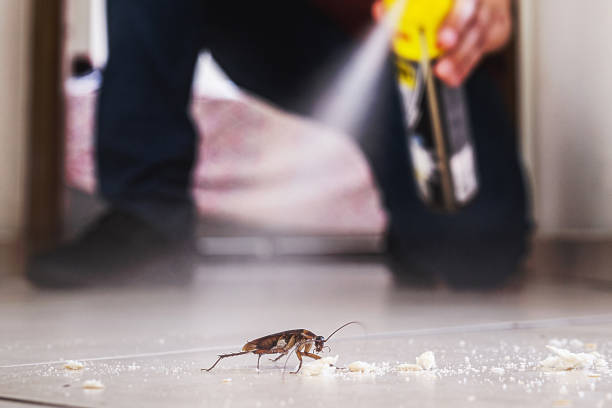
Detection of Bed Bugs
Early detection of bed bugs is critical for effective control. These pests are often difficult to spot because they are small (about the size of an apple seed) and tend to hide in cracks and crevices during the day.
Signs of a Bed Bug Infestation: – Bite Marks:Red, itchy welts on exposed skin, typically appearing in clusters or lines.Fecal Spots:Small rust-colored or black stains on mattresses, sheets, or furniture caused by bed bug excrement.Shed Skins:Exoskeletons left behind as nymphs grow into adults.Live Bugs:Adult bed bugs or their eggs might be visible along mattress seams or behind headboards.Odor:A musty smell may be present in heavily infested areas.
Inspection Tips:– Check common hiding spots such as mattress seams, box springs, headboards, baseboards, and upholstered furniture. – Use tools like a flashlight and magnifying glass to thoroughly examine suspected areas.
Treatment Methods for Bed Bugs
Once an infestation has been confirmed, it’s essential to employ effective treatment strategies. Professional pest control services are often necessary due to the resilience of bed bugs.
- Insecticides such as pyrethroids or desiccants can be applied by trained professionals.
- Residual sprays ensure long-lasting effectiveness.
- Specialized equipment heats infested rooms to temperatures above 120°F (49°C), which kills all life stages of bed bugs.
- This method is highly effective but must be conducted by experts.
- High-temperature steam can penetrate deep into furniture cracks and fabrics where bed bugs hide.
- Ideal for localized infestations.
- A high-powered vacuum can remove visible bed bugs from surfaces like mattress seams and carpets.
- Always dispose of vacuum bags immediately after use to prevent reinfestation.
- Mattress encasements trap existing bugs inside while preventing new infestations from taking hold.
| Treatment Type | Pros | Cons |
| Chemical | Long-lasting effects | Potential health risks |
| Heat | Eco-friendly; no chemicals | Can be costly |
| Steam | Effective for small areas | Requires professional handling |
| Vacuuming | Immediate removal | Does not eliminate eggs |
Prevention Tips Against Bed Bugs
After treatment has been completed, prevention measures should be taken seriously to avoid recurrence.
Preventive Measures:– Regularly inspect mattresses and furniture for signs of infestation. – Wash bedding in hot water (above 140°F) weekly and dry on high heat settings. – Reduce clutter around sleeping areas as it provides hiding spots for bed bugs. – When traveling: – Inspect hotel beds and furniture before unpacking belongings. – Keep luggage elevated off floors using racks or stands. – Wash clothes immediately upon returning home from trips using hot water cycles.
Additional Steps:Investing in protective covers for mattresses and box springs prevents easy access for any stray bed bugs attempting to establish themselves again.
By integrating early detection with professional treatments and preventive strategies, the challenge posed by bed bug infestations can be managed effectively while ensuring long-term peace of mind in your home environment.
The Importance of Pest Control in Maintaining a Safe and Healthy Living Environment
Effective pest control is essential for ensuring a safe and healthy living environment. Pests not only cause structural damage to properties but also pose significant health risks to occupants. By understanding the importance of pest control, homeowners can take proactive steps to protect their homes, families, and well-being.
Protecting Your Health
Pests like rodents, cockroaches, mosquitoes, and ticks are known carriers of diseases that can have serious health consequences.
- Vector-Borne Diseases: Mosquitoes spread illnesses such as malaria, dengue fever, and West Nile virus. Similarly, ticks are responsible for transmitting Lyme disease.
- Food Contamination: Rodents and insects can contaminate food supplies with harmful bacteria such as Salmonella or E. coli.
By implementing regular pest control measures, these risks can be minimized or eliminated entirely.
Preventing Property Damage
| Pest | Impact on Property |
| Termites | Feed on wooden structures, compromising integrity |
| Rodents | Chew through electrical wiring causing fire hazards |
| Ants | Invade kitchens and damage food supplies |
| Carpenter Bees | Bore into wood creating unsightly holes |
Investing in professional pest control services ensures that these issues are addressed before they escalate into costly repairs.
Promoting Psychological Well-being
The presence of pests in a home can create a sense of discomfort and anxiety among occupants. Maintaining a pest-free environment promotes peace of mind and improves the overall quality of life for individuals.
Eco-Friendly Pest Control Options
Modern pest control methods focus on minimizing environmental impact while effectively addressing infestations.
- Integrated Pest Management (IPM): Combines biological controls like introducing natural predators with physical barriers to prevent infestations without excessive pesticide use.
- Organic Treatments: Utilizes plant-based sprays or natural repellents that are safe for humans and pets.
- Smart Traps: Non-toxic traps designed specifically for targeting pests such as rodents without relying on harmful chemicals.
These sustainable practices ensure long-term results while reducing the risk of environmental harm.
Steps Homeowners Can Take
- Regularly inspecting doors, windows, and foundations for cracks or gaps where pests may enter.
- Storing food in airtight containers to prevent contamination.
- Cleaning up spills promptly to reduce attractants.
- Removing standing water sources that encourage mosquito breeding.
- Keeping trash bins sealed tightly to deter rodents or insects.
Pest control is not just about extermination; it’s about creating a clean environment free from potential threats posed by unwanted invaders every day of the year.
How to Choose the Right Pest Control Service Provider for Your Needs
Finding the right pest control service provider is crucial to ensuring effective pest management while maintaining safety for you, your property, and the environment. A professional and experienced exterminator can help address your specific needs with tailored solutions. Below are some factors to consider when choosing a pest control company that aligns with your requirements.
Key Factors to Consider
- Verify that the company holds proper certification and licensing in accordance with local or national regulations.
- Licensed professionals are trained in safe pesticide use, pest biology, and control techniques.
- Choose a provider with extensive experience in handling a variety of pests, especially those common in your region.
- Look for companies specializing in pests that are particularly problematic for your property.
- Research online reviews on platforms like Google or Yelp to gauge customer satisfaction.
- Ask for referrals from neighbors or friends who have dealt with similar pest issues.
- Ensure the company has liability insurance to protect against any accidental damage to your property during treatment.
- Opt for providers offering tailored solutions based on inspections rather than a one-size-fits-all approach.
- Companies that conduct thorough site evaluations before proposing treatments show attention to detail.
- Look for pest control services using Integrated Pest Management (IPM) techniques, focusing on eco-friendly methods.
- Select companies prioritizing low-toxicity or organic treatments when possible.
- A reliable company will be upfront about their pricing structure, treatment processes, and expected outcomes.
- They should explain potential risks of treatment options and provide clear post-treatment instructions.
- Many reputable companies offer guarantees or warranties on their services.
- Check if they provide follow-up visits to ensure complete eradication of pests.
Questions You Should Ask
| Question | Why It’s Important |
| Do you have proper licenses and certifications? | Ensures compliance with local laws |
| How do you determine what type of treatment is needed? | Assesses their inspection process |
| Are treatments safe for children, pets, or plants? | Prioritizes household safety |
| Do you offer any guarantees or warranties on services? | Provides assurance of quality work |
| What is your policy regarding repeat visits if pests return? | Evaluates commitment to customer care |
Red Flags to Watch For
- Companies offering vague pricing without detailed breakdowns.
- High-pressure sales tactics pushing unnecessary treatments.
- Lack of transparency about chemicals used during extermination procedures.
- No formal contracts or incomplete documentation provided before service begins.
Benefits of Choosing the Right Provider
Partnering with the right pest control service ensures:
– Effective removal of current infestations without causing harm to non-target species. – Long-term prevention strategies that reduce future infestations. – Improved peace of mind knowing professionals are safeguarding your home efficiently.
By carefully evaluating potential providers based on certification, reputation, experience, and communication practices, you can make an informed choice that aligns with your specific pest management needs while prioritizing safety and quality service delivery.
- 8 Signs You Should Call a Pest Control Company Orlando FL for Your Home
- Understanding Orlando Pest Control: Myths and Insights from Experts
- Identifying Bed Bug Infestations with a Pest Control Company in Orlando FL
- How to Choose the Best Pest Control Company Orlando FL for German Cockroach Infestations
- How Orlando Pest Control Experts Handle the 5 Most Common Pests Effectively
- How AI and Camera Technology Are Revolutionizing Orlando Pest Control Practices
- Understanding the Bed Bug Life Cycle with a Pest Control Company Orlando FL
- Why Orlando Pest Control is Essential for Managing Rodent Infestations