
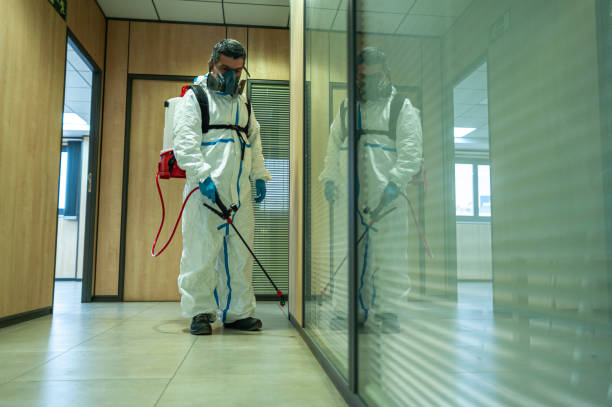
When it comes to pest control, there are countless myths and misconceptions that can misguide homeowners. These misunderstandings not only lead to ineffective pest management but may also exacerbate infestations. Experts in the field of pest control emphasize the importance of separating fact from fiction to ensure effective solutions. Below, we address key myths and provide evidence-based insights.
Myth 1: Pest Removal Orlando FL Experts Debunk Dirty Home Misconceptions
One of the most common misconceptions is that pests are only attracted to unclean homes. While poor hygiene or clutter can make a space more appealing for pests, clean homes are not immune to infestations.
- Pests seek food, water, and shelter, which can be found even in spotless environments.
- Structural issues like tiny cracks, gaps in windows or doors, or poorly sealed basements provide entry points for insects and rodents regardless of cleanliness.
- Pests such as bed bugs or fleas are often introduced unintentionally by bringing them home on luggage, clothing, or second-hand furniture – not because of untidiness.
Debunking the Myth: Why DIY Methods Can’t Match an Exterminator Orlando FL
While do-it-yourself solutions may seem cost-effective initially, they often fail to address the root cause of an infestation. Professionals bring specialized knowledge and tools that go beyond over-the-counter sprays and traps.
| Aspect | DIY Pest Control | Professional Pest Control |
| Knowledge | Limited understanding of pest behavior | Expert certification & training |
| Tools/Products | General-purpose sprays & traps | Targeted treatments tailored to specific pests |
| Effectiveness | Short-term relief | Long-term resolution |
Myth 3: Why Ignoring Pests Can Lead to Needing a Pest Control Service Orlando FL
Another misconception is that if you rarely see pests in your home, there isn’t a problem. However, many pests remain hidden during the day and become active at night when they’re less likely to be noticed.
- Termites silently cause structural damage while staying out of sight.
- Cockroaches hide behind appliances or inside walls but spread disease through contaminated surfaces.
- Rodents often use hidden pathways within homes to access food sources undetected.
Ignoring these “invisible” pests can allow their populations to grow unchecked over time.
Why Believing Myths Is Dangerous
- Health Risks: Many pests carry diseases (e. g. , salmonella from rodents or asthma-inducing debris from cockroaches). Mismanagement allows these risks to persist.
- Structural Damage: Termites alone cause billions of dollars in property damage annually due to undetected infestations.
- Increased Costs: Delaying professional help often results in higher treatment costs later as infestations worsen.
Expert Recommendations for Effective Pest Management
- Consult licensed professionals who have experience dealing with various pests.
- Schedule regular home inspections even if you don’t currently notice pest activity.
- Seal off entry points such as gaps around windows or cracks in walls.
- Avoid relying solely on DIY remedies; prioritize evidence-based solutions tailored by experts.
By understanding these key insights from industry professionals, homeowners are better equipped to maintain a safe, pest-free environment without being misled by misinformation.
Why a Pest Control Company Orlando FL is Essential Even for Clean Homes
A common misconception is that maintaining a clean home will completely protect against pest infestations. While cleanliness plays a role in reducing the risk, it does not make a home immune to pests. There are various factors, beyond cleanliness, that can attract and sustain unwanted pests.
Why Clean Homes Can Still Have Pests
- Structural Vulnerabilities: Cracks in walls, poorly sealed doors and windows, or damaged vents provide easy entry points for pests such as ants, cockroaches, or rodents.
- Moisture Issues: Many pests are drawn to damp environments. Leaky pipes, condensation around HVAC units, or standing water near your property can attract insects like mosquitoes and termites.
- Outdoor Factors: If your yard has overgrown vegetation or unsealed garbage bins, these contribute to pest activity outside your home that can eventually spill indoors.
- Unseen Food Sources: Even with regular cleaning routines, crumbs hidden in tight corners or grease buildup behind stoves may be enough to sustain certain pests like ants and cockroaches.
Pests That Commonly Invade Clean Homes
| Pest Type | What Attracts Them | Areas Commonly Found |
| Ants | Sugar residues, crumbs | Kitchens and pantries |
| Cockroaches | Warmth and moisture | Bathrooms and basements |
| Spiders | Insect prey | Corners of ceilings |
| Rodents | Shelter during colder months | Attics and crawl spaces |
How Pests Adapt Despite Cleaning Efforts
- Nocturnal Activity: Many pests operate at night when people aren’t actively cleaning or monitoring their surroundings.
- Hidden Nesting Areas: Some insects build nests in walls or under flooring where routine cleaning cannot reach them. Bed bugs and termites are particularly adept at hiding within furniture or structural wood.
- Weather Changes: Seasonal shifts may drive outdoor insects like spiders or centipedes indoors seeking warmth.
Expert Tips for Reducing Pest Risks Beyond Cleaning
- Use caulk around windows.
- Install weather stripping beneath doors.
- Repair damaged screens on vents.
- Fix plumbing leaks promptly.
- Use dehumidifiers in damp areas such as basements.
- Inspect storage areas seasonally for signs of rodents or insects.
- Check dark corners where spiders may establish webs.
- Professional Advice: If persistent infestations occur despite proactive measures, consult a licensed pest control professional who can identify hidden sources of problems.
Pest-free living requires more than just tidying up—it’s about understanding how these resilient invaders exploit vulnerabilities outside traditional cleaning methods.
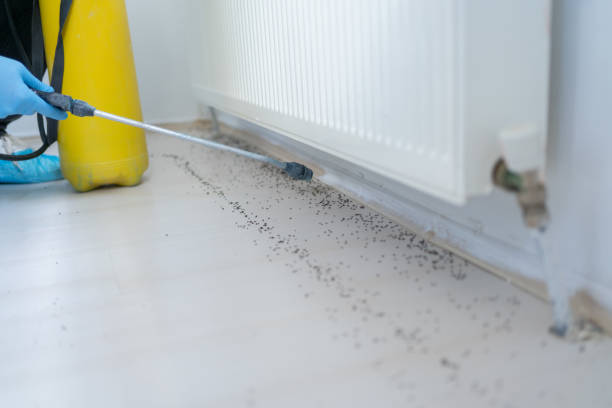
Hidden Dangers: Why Invisible Bugs Can Still Be a Big Problem
While large pests like rodents or cockroaches are often the focus of pest control efforts, the presence of tiny, often invisible bugs can pose significant risks to your health and home. These unnoticeable invaders are frequently overlooked, making them even more dangerous. Understanding their impact and how to address them is crucial in maintaining a safe environment.
Common Types of Invisible Bugs
Some pests are so small that they remain undetected until their effects become apparent.
- Dust Mites
Tiny arachnids that thrive in bedding, carpets, and upholstered furniture. While not harmful by themselves, they can trigger allergic reactions and asthma. - Bed Bugs (Early Stages)
Bed bugs are often invisible during their early infestation stages due to their small size and hiding behaviors. - Mold Mites
These bugs feed on mold and mildew in damp areas of your home. They signal underlying moisture issues that could lead to further damage. - Fungus Gnats
While visible as adults, their larvae live in soil or organic matter, potentially harming indoor plants. - Booklice (Psocids)
Found in humid areas or old books, booklice feed on fungi or starchy materials but may also infest food items.
Why Invisible Bugs Are a Threat
- Dust mites can exacerbate respiratory conditions like asthma or allergies.
- Bed bug bites cause itching and discomfort, which could lead to secondary infections from excessive scratching.
- Mold mites indicate the presence of mold spores that may cause respiratory problems.
- Structural Damage:
Pests like mold mites thrive in areas where dampness exists—often signaling serious structural issues such as water leaks that could compromise the integrity of your home over time. - Food Contamination:
Some smaller pests infest stored food items such as flour or rice without being noticed immediately, leading to potential contamination hazards.
How to Detect Invisible Bugs
| Method | Description |
| Use of Magnifying Glass | Helps you spot very small creatures on surfaces like furniture or bedding. |
| Check for Signs | Look for droppings, shed skins, or unusual stains around suspected areas. |
| Monitor Traps | Sticky traps can capture insects not easily seen with the naked eye. |
| Professional Inspection | Pest control specialists use advanced tools like UV light or microscopes. |
Prevention Tips for Tiny Pest Infestations
- Maintain low humidity levels indoors using dehumidifiers.
- Regularly vacuum carpets and upholstery.
- Wash bedding frequently at high temperatures.
- Store dry goods in sealed containers.
- Address leaks promptly to prevent moisture buildup.
- Conduct routine inspections in dark corners or storage spaces where pests might hide.
Even though invisible bugs may seem insignificant due to their size, they can create substantial problems when left unchecked. Adopting thorough preventative measures combined with routine monitoring is essential for keeping these hidden threats under control effectively.
Why One Pest Control Treatment Is Not Enough for Long-Term Results
Many homeowners believe that a single pest control treatment is sufficient to eliminate pests permanently. However, this is a common misconception. Effective pest control requires ongoing effort and planning to achieve long-term results. Below are some reasons why one-time treatments often fall short and why a comprehensive, recurring approach is essential.
The Lifecycle of Pests
Some pests lay eggs that are resistant to chemical agents.
- Cockroaches: They can lay dozens of eggs per capsule, which may hatch weeks after an initial treatment.
- Fleas: Flea pupae can remain dormant for months before emerging as adults.
- Bed Bugs: Eggs are often hidden in crevices and may not be impacted during the first round of treatment.
A one-time application may kill adult pests but often leaves behind eggs or larvae that will develop into new infestations if untreated.
Seasonal Pest Activity
Pest activity changes with the seasons.
| Season | Common Pests | Behavior |
| Spring | Ants, termites | Colonies emerge; heightened activity due to warmer temperatures |
| Summer | Mosquitoes, wasps | Breeding season; food sources increase |
| Fall | Rodents | Seek shelter indoors as temperatures drop |
| Winter | Cockroaches, spiders | Move indoors for warmth and access to food |
Without regular treatments tailored to these seasonal patterns, pests can rebound when conditions become favorable again.
Reinfestation Risks
Even after an initial treatment has removed visible pests from your home or property, reinfestation can occur if entry points are not sealed or environmental factors remain unchanged.
- Open food sources such as crumbs or pet food left out overnight.
- Cracks in walls or foundations that allow pests easy access indoors.
- Standing water around your home creating breeding sites for mosquitoes.
Professional pest control services often combine treatments with preventative measures like sealing entry points and educating homeowners about best practices.
Resistance to Treatment
Over time, certain pests can develop resistance to specific pesticides when these products are overused or improperly applied. This makes it necessary for licensed professionals to rotate between different treatment methods and products during follow-up visits in order to combat resistance effectively.
Benefits of Ongoing Pest Control Plans
A long-term pest management plan ensures consistent monitoring and treatment while reducing the risk of future infestations.
- Proactive prevention: Regular inspections help identify potential problems before they escalate.
- Customized solutions: Professionals tailor strategies based on your specific pest issues and property needs.
- Cost-efficiency: Regular maintenance minimizes costly damage caused by unchecked infestations over time.
- Peace of mind: Improved health and safety with fewer risks of contamination from pests like rodents or cockroaches.
Regular pest control services provide sustainable results by tackling both current and potential infestations at their source while addressing underlying vulnerabilities in your home environment.
Understanding the Differences Between DIY and Professional Pest Control
When it comes to managing pests in your home or business, there are two primary approaches to consider: do-it-yourself (DIY) pest control methods and professional pest control services. While DIY options may seem cost-effective and convenient, they often fall short compared to the expertise and long-term solutions offered by professionals. Below, we explore the key differences between these approaches to help you make an informed decision.
- DIY Pest Control: Relies on resources such as internet research, over-the-counter products, and trial-and-error methods. Most homeowners lack the training required to accurately identify pest species, understand their behavior, or pinpoint nesting areas.
- Professional Pest Control: Licensed professionals undergo rigorous training to identify pests accurately, understand their life cycles, and implement effective strategies tailored to specific infestations.
| Aspect | DIY | Professional |
| Knowledge Level | General | Specialized |
| Training | None | Extensive certifications |
- DIY Pest Control: Homeowners typically use general-purpose sprays or traps available in retail stores. These products may not always be effective for all pest species.
- Professional Pest Control: Experts use industrial-grade tools and treatments that are not readily available for public purchase. These materials are often more potent and precisely targeted while being safe for humans and pets when used properly.
Examples of professional tools: – High-powered vacuums for insect removal – Heat treatment devices for bed bugs – Baits specifically formulated for certain insect species
- DIY Pest Control: Initial costs are usually lower since you’re only purchasing products from stores. However, repeated failures can lead to additional expenses.
- Professional Pest Control: Although upfront costs might be higher due to labor charges, it often saves money in the long run by addressing infestations effectively the first time.
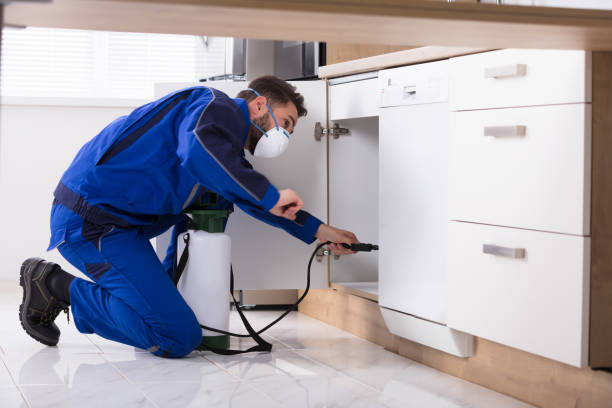
One of the most significant differences lies in achieving sustainable results: – DIY Pest Control focuses on immediate relief rather than preventive measures. This approach can leave vulnerabilities that pests will exploit over time.Professional Servicesoften include follow-ups, preventive measures, and thorough inspections of potential entry points or nesting areas.
| Feature | DIY | Professional |
| Short-Term Relief | Possible | Guaranteed |
| Preventive Measures | Rarely Implemented | Comprehensive |
Using pesticides improperly can pose risks: – DIY Approach Risks: – Misapplication of chemicals – Potential harm to children or pets due to lack of knowledge about safe usage – Environmental contamination – Professionals Ensure Safety By: – Using minimally invasive yet effective techniques – Following strict government regulations for pesticide application – Advising families on best practices during treatment periods
Final Thoughts
While DIY pest control might work for minor problems or as a quick fix in certain cases, professional services provide a more dependable approach with long-term benefits. By leveraging expert knowledge, specialized tools, and comprehensive strategies tailored to your unique situation, professionals ensure that your property remains pest-free while minimizing health risks associated with improper treatment practices.
Understanding these differences can help you take appropriate steps to prevent or eliminate them effectively.
Physical Appearance
- Oval-shaped with a flat body that expands after feeding.
- Range in size from a sesame seed (unfed) to a small grape (engorged).
- Typically brown, reddish-brown, or grayish in color depending on the species and feeding stage.
- Flat, oval-shaped bodies that do not expand significantly after feeding.
- About the size of an apple seed (5-7mm).
- Reddish-brown in color before feeding; darker red after consuming blood.
| Feature | Ticks | Bed Bugs |
| Size | Tiny, expands when fed | Small but consistent size |
| Color | Brown/gray/red | Reddish-brown |
Feeding Habits
- Ticks:
Ticks are parasitic arachnids that require blood meals at different stages of their lifecycle—larvae, nymphs, and adults. They attach themselves to hosts such as humans or animals for extended periods (up to several days) while feeding. - Bed Bugs:
Bed bugs feed exclusively on human blood during nighttime hours. Unlike ticks, they do not latch onto their host but instead return to hidden areas like mattress seams or furniture crevices after feeding.
Habitat Preferences
- Ticks:
Ticks thrive outdoors in grassy areas, wooded regions, or places with dense vegetation. They latch onto animals or humans passing through these environments for their meals. - Bed Bugs:
Bed bugs are indoor pests that infest homes, hotels, dorm rooms, and other human dwellings. They prefer hiding near sleeping areas such as mattresses, box springs, headboards, or even electrical outlets.
| Aspect | Ticks | Bed Bugs |
| Habitat | Outdoors near vegetation | Indoors near sleeping areas |
Health Risks
- Ticks: Ticks are notorious vectors of diseases such as Lyme disease, Rocky Mountain spotted fever (RMSF), and ehrlichiosis. A single bite from an infected tick can transmit pathogens directly into the bloodstream.
- Bed Bugs: While bed bug bites cause itchy welts and skin irritation for many people, they are not known to transmit diseases. However, infestations can lead to psychological stress and sleep disturbances.
Preventive Measures
- Keep your yard well-maintained by trimming grass and removing leaf litter.
- Use tick repellents containing DEET on skin or permethrin-treated clothing.
- Inspect pets thoroughly after outdoor activities.
- Regularly inspect bedding and furniture for signs of infestation (e. g. , dark fecal spots or shed skins).
- Avoid bringing second-hand furniture into your home without thorough inspection.
By learning these distinctions between ticks and bed bugs—appearance differences, feeding habits, habitats—you can better address any infestations you encounter while minimizing health risks effectively for your family and property.
While both are parasitic pests that can cause discomfort and health concerns, their behaviors, habitats, and risks are quite distinct. Below, we’ll explore the key differences between these two pests to help you identify and address them appropriately.
Physical Differences
| Feature | Ticks | Bed Bugs |
| Size | 1-3 mm (larvae), up to 10 mm (engorged adults) | Approximately 4-7 mm |
| Shape | Oval, flat before feeding; balloon-like when engorged | Flat, oval-shaped |
| Color | Reddish-brown to grayish-white (when engorged) | Reddish-brown |
| Legs | 8 legs (arachnid) | 6 legs (insect) |
Habitat Preferences
- Typically found outdoors in wooded areas, tall grass, or shrubs.
- Can latch onto humans or animals for feeding but do not infest indoor spaces as persistently as bed bugs.
- Commonly brought inside homes via pets or clothing after outdoor activities.
- Thrive indoors in warm environments close to human hosts.
- Hide in mattresses, furniture seams, cracks in walls, or behind wallpaper during the day.
- Spread through luggage, second-hand furniture, or close contact with infested areas.
Behavior and Feeding Patterns
- Feed for long periods (hours to days) by attaching themselves firmly to a host’s skin.
- They primarily target humans or animals during outdoor exposure.
- Some tick species can transmit serious illnesses such as Lyme disease or Rocky Mountain spotted fever.
- Feed briefly (usually at night), biting multiple times within minutes.
- Prefer human hosts and often bite exposed skin while individuals are sleeping.
- Do not transmit diseases but can cause itchy welts and allergic reactions.
Health Risks
- Carry pathogens that can lead to tick-borne illnesses like Lyme disease.
- Symptoms of tick-borne diseases may include fever, rash, joint pain, or fatigue.
- Do not spread diseases but can lead to secondary infections from excessive scratching.
- Psychological effects such as anxiety or insomnia may arise due to infestations.
Prevention Tips
- Maintain your yard by mowing grass regularly and removing leaf litter.
- Use tick repellents containing DEET when spending time outdoors.
- Inspect pets after outdoor activities; consider using veterinarian-recommended tick prevention products.
- Inspect second-hand furniture thoroughly before bringing it into your home.
- Encase mattresses with protective covers designed for bed bug prevention.
- Reduce clutter around sleeping areas where these pests may hide.
By understanding these key differences between ticks and bed bugs—and implementing appropriate strategies—you can minimize the risks posed by these common household pests effectively.
- 8 Signs You Should Call a Pest Control Company Orlando FL for Your Home
- Understanding Orlando Pest Control: Myths and Insights from Experts
- Identifying Bed Bug Infestations with a Pest Control Company in Orlando FL
- How to Choose the Best Pest Control Company Orlando FL for German Cockroach Infestations
- How Orlando Pest Control Experts Handle the 5 Most Common Pests Effectively
- How AI and Camera Technology Are Revolutionizing Orlando Pest Control Practices
- Understanding the Bed Bug Life Cycle with a Pest Control Company Orlando FL
- Why Orlando Pest Control is Essential for Managing Rodent Infestations